Source Nano Scale Atomization Eye Massager for Beauty, Sleep, and Fatigue Relief
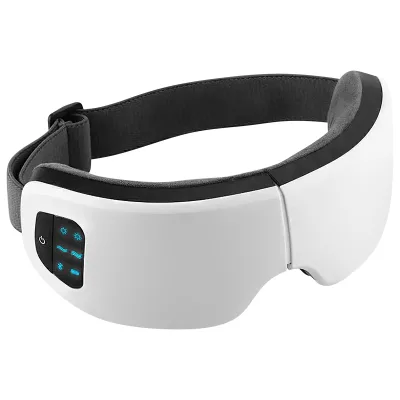
Compare 30 nano scale atomization eye massager options from verified Chinese manufacturers. Buyers can evaluate features like air pressure, music, and material to find suitable units for beauty routines, sleep improvement, and visual fatigue relief; compare the available evidence and request quotations based on your requirements.
Key considerations
Products List


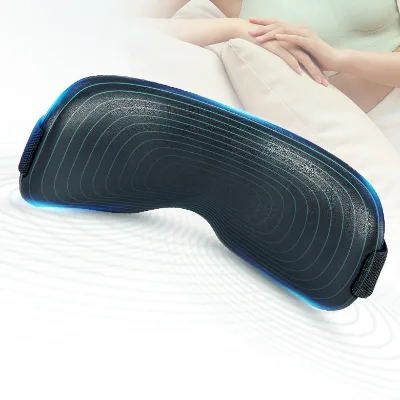

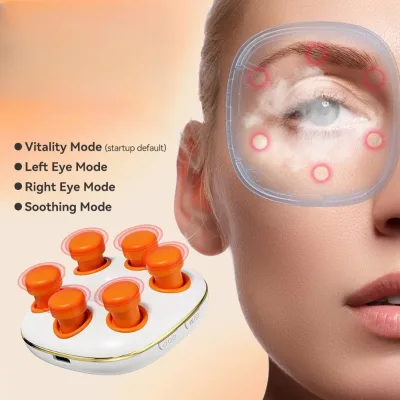
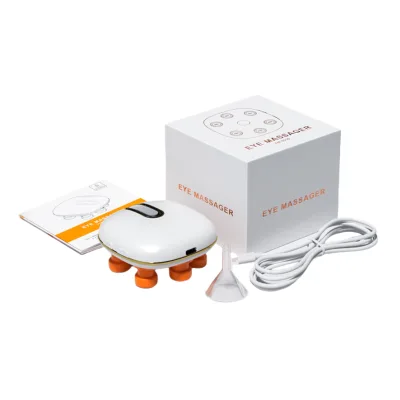



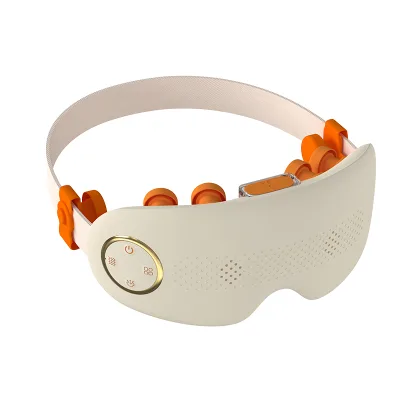

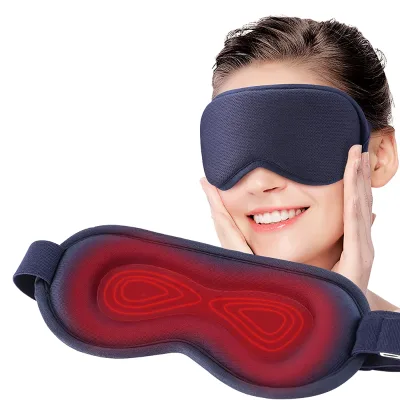

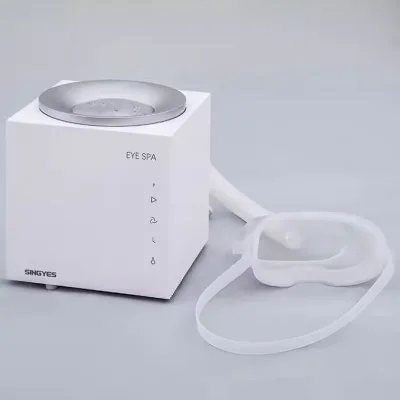
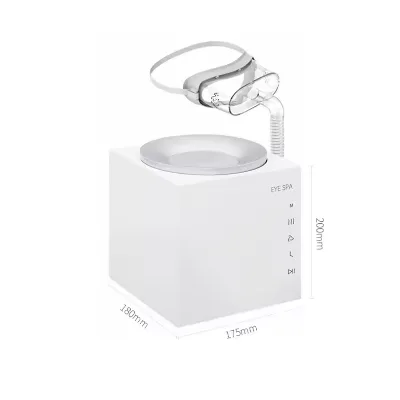
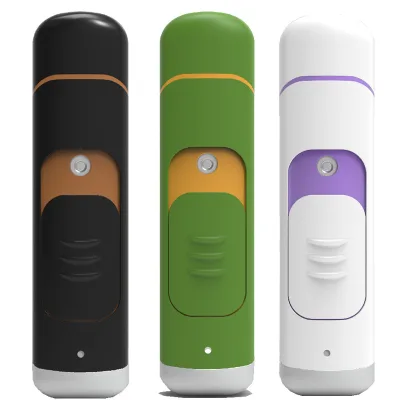
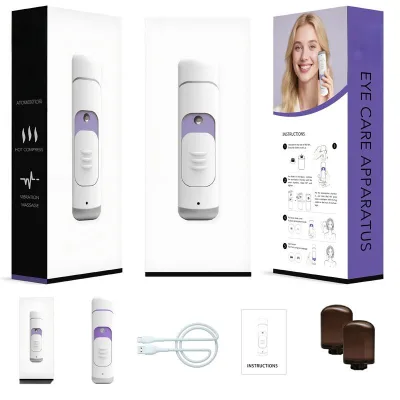
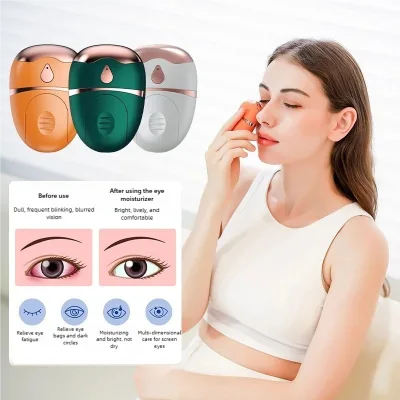
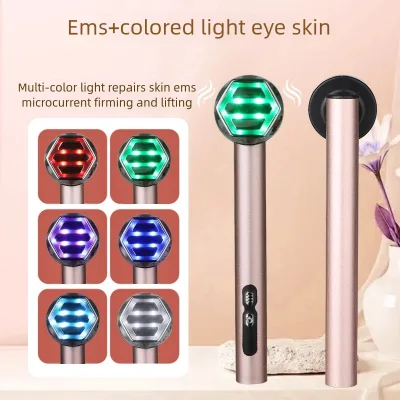
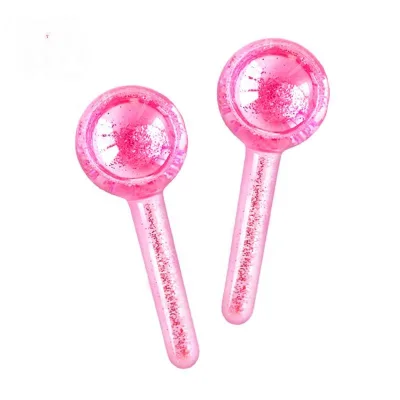
Comprehensive Sourcing Guide
Nano Scale Atomization Eye Massager Sourcing Guide
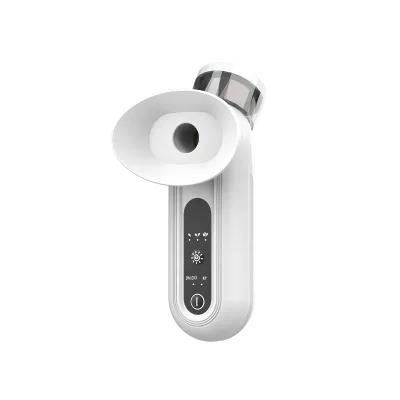
Sourcing nano scale atomization eye massagers requires a nuanced understanding of the intersection between cosmetic delivery technology and wearable wellness devices. Buyers must distinguish between traditional vibration-based massagers and those utilizing ultrasonic or piezoelectric principles to create fine mist for transdermal absorption. This category often overlaps with skincare tools, meaning procurement strategies must account for both electronic component reliability and fluid dynamics efficiency. The core value proposition lies in the device’s ability to enhance the efficacy of eye serums through precise, cool-mist delivery, which also helps reduce puffiness and improve product penetration.
Procurement teams should prioritize suppliers who demonstrate expertise in both micro-fluidics and consumer electronics manufacturing. The market contains a wide variance in atomization quality, with some units producing coarse droplets that fail to deliver the promised benefits. Buyers need to verify the actual particle size distribution and mist consistency during sampling, as these factors directly impact user satisfaction and product performance. Additionally, the integration of heating elements, pressure massage, and music features adds complexity to the supply chain, requiring rigorous testing of multi-functional interfaces to ensure seamless operation without overheating or battery drain issues.
Product Scope and Observed Listing Signals
The observed market signals indicate a diverse range of product configurations, with prices ranging from $0.20 to $66.47 USD and minimum order quantities varying between 1 and 1000 units. This broad spectrum suggests that buyers can source both simple, single-function devices and complex, multi-feature units tailored for different market segments. The presence of customized options and OEM services highlights the flexibility available for brands seeking unique product identities. Buyers should note that lower price points often correlate with basic functionalities, while higher tiers include advanced features like volume adjustment, air pressure control, and rechargeable power supplies.
Product types listed include household goods, electronic items, and specific beauty devices such as eye massagers with models like KS-3700C and YDQ-0154. Materials observed range from ABS plastic to silicone, indicating variations in durability and user comfort. Some listings specify working temperatures between -40℃ and 300℃, which may refer to the manufacturing process or extreme environmental testing rather than operational limits. Buyers must carefully cross-reference these specifications with actual product capabilities, as some data points may reflect mold or production standards rather than end-user device performance.
Technical Specifications to Verify
Technical verification should begin with the atomization mechanism, ensuring the device uses nano-scale technology for effective serum delivery. Buyers must confirm the power supply type, whether electric or rechargeable, and verify USB compatibility for convenient charging. The inclusion of features like hot air pressure, music playback, and visual fatigue relief requires testing of each function’s reliability. Specifications such as part size (210x60x40mm) and mold size (1000x600x300mm) provide insight into the physical footprint and manufacturing scale, helping buyers assess portability and packaging efficiency.
Material composition is critical for skin-contact devices, with ABS and silicone being common choices. Buyers should verify the core material of the mold, often P20 steel, and the mold base material, such as 45# steel, to ensure longevity and precision. The mold life expectancy, ranging from 500,000 to 1,000,000 cycles, indicates the manufacturer’s capability for high-volume production. Additionally, surface treatments like polishing affect both the aesthetic appeal and the ease of cleaning, which is essential for hygiene in personal care devices.
Compliance and Safety Documentation
Compliance documentation is paramount for electronic beauty devices, with CE and FDA certifications frequently cited as key standards. Buyers must verify that these certifications are current and applicable to the specific product model and target market. The presence of SGS and RoHS standards suggests adherence to environmental and safety regulations, but buyers should request valid test reports to confirm material safety and electrical compliance. Without proper documentation, products may face regulatory hurdles in international markets, leading to delays or confiscations.
Warranty terms, often listed as three years, provide a baseline for expected product durability, but buyers should negotiate specific clauses for defect rates and replacement policies. Standard specifications may vary, so it is crucial to align the product’s certified standards with local regulatory requirements. Buyers should also verify that the manufacturer has the authority to use these certifications for the specific models being sourced, as some suppliers may list generic compliance rather than model-specific approval.
Cost Drivers and Commercial Terms
Cost drivers in this category include the complexity of the atomization mechanism, the quality of electronic components, and the customization level. Customized designs, such as specific colors or packaging, can increase unit costs due to setup fees and lower production efficiencies. Lead times, typically ranging from 10 to 20 days, vary based on order volume and customization requirements. Buyers should factor in these timelines when planning inventory, especially for seasonal peaks or promotional campaigns.
Commercial terms should clearly define payment structures, shipping responsibilities, and return policies. The observed MOQ range of 1 to 1000 units allows for flexible ordering, but larger orders may offer better unit pricing. Buyers should negotiate bulk discounts and clarify any additional costs for tooling or mold creation. Understanding the total landed cost, including shipping and duties, is essential for accurate margin calculation and competitive pricing in the final market.
Supplier Qualification and Quality Control
Supplier qualification should focus on manufacturing capabilities, particularly in injection molding and surface treatment processes. Buyers should assess the supplier’s experience with electronic assembly and their ability to maintain consistent quality across production batches. The origin of products, such as Qingdao Shandong or Zhejiang, China, may influence logistics costs and supply chain resilience. Buyers should verify the supplier’s production capacity and lead time reliability to ensure timely delivery.
Quality control measures must include pre-shipment inspections and functional testing of all features, including atomization, heating, and massage functions. Buyers should request sample units for rigorous testing before placing large orders. Establishing clear quality standards and acceptance criteria is crucial for minimizing defects and ensuring customer satisfaction. Regular audits of the supplier’s production line can help identify potential issues early and maintain consistent product quality.
Long-Term Procurement Checks
Long-term procurement success depends on continuous monitoring of supplier performance and product quality. Buyers should establish key performance indicators for defect rates, delivery times, and customer feedback. Regular communication with suppliers is essential for addressing issues promptly and fostering a collaborative relationship. Tracking market trends and consumer preferences can help buyers adapt their product offerings to meet evolving demands.
Reviewing warranty claims and return reasons can provide valuable insights into product durability and user experience. Buyers should use this data to refine specifications and improve product design in future orders. Building a diversified supplier base can mitigate risks associated with single-source dependencies. Continuous improvement initiatives, such as upgrading materials or enhancing features, can help maintain a competitive edge in the dynamic beauty tech market.
FAQs
What certifications do the eye massagers hold?
The products hold CE and FDA certifications as documented in the specifications. They also meet RoSH standards and are produced in Qingdao and Zhejiang, ensuring compliance with international safety requirements for household and electronic goods.
How long is the lead time for orders?
The standard lead time ranges from 10 to 20 days for production. This duration applies to customized orders and varies based on the specific model selected, such as the KS-3700 series or the SCO model, ensuring timely delivery for buyers.
Can I request custom packaging for the massagers?
Yes, customized packaging is available for these eye massagers. Buyers can choose standard carton boxes or request specific packaging solutions, allowing for branding opportunities while maintaining the product integrity during shipping from Chinese manufacturing facilities.
What materials are used in the eye massager construction?
The devices are constructed using ABS plastic and silicone materials for durability and comfort. These materials support the injection molding process and ensure the product can withstand working temperatures ranging from negative 40 to 300 degrees Celsius effectively.
Which features are included in the electric eye massager?
The electric massager includes volume adjustment, air pressure control, and music capabilities depending on the model. Some versions feature USB connectivity and rechargeable power supplies to enhance user experience while relieving visual fatigue and improving sleep quality.
What is the warranty period for the product?
A three-year warranty is provided for the eye massager units. This coverage ensures reliability for the household goods and electronic applications, giving buyers confidence in the long-term performance of the injection-molded devices with multi-cavity molds.
How does the massager function to relieve fatigue?
The device functions using air pressure principles to massage the eye area effectively. It is designed to promote sleep quality, reduce dark circles, and improve eyesight by applying gentle pressure, making it suitable for universal gender use in home settings.